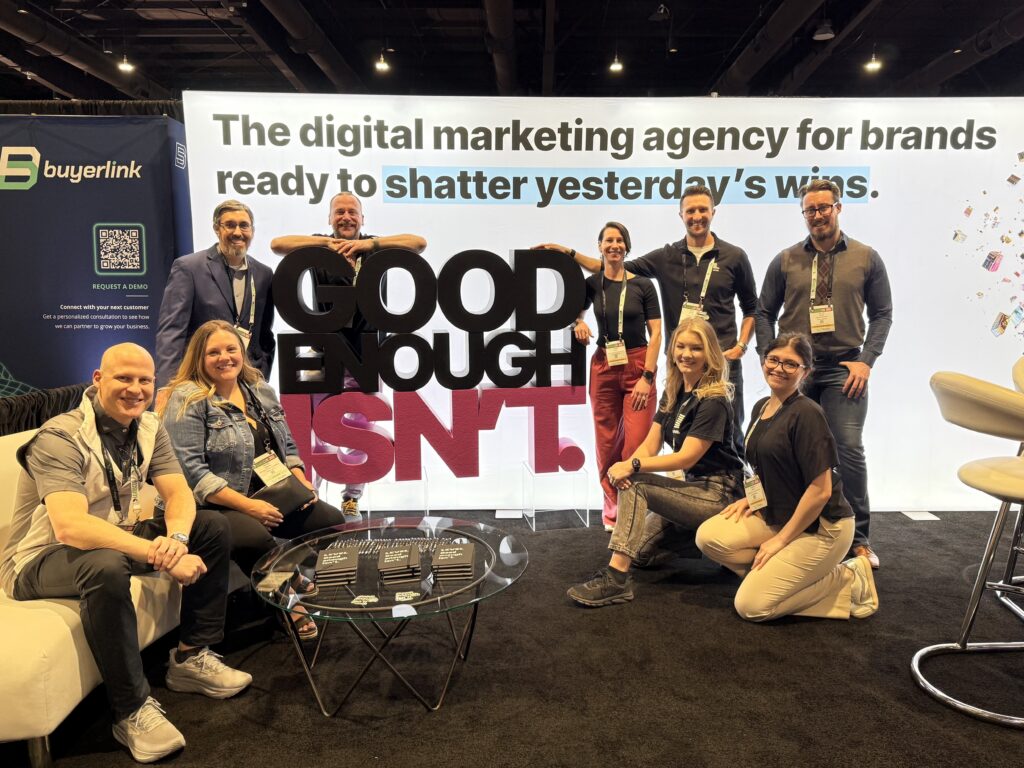
LeadsCon 2026 drew a mix of people: lead buyers, publishers, technology vendors, compliance folks, and a lot of marketers who sit somewhere in between. The sessions reflected that. You’d walk from a panel on consent-based marketing compliance into a room where someone was demoing real-time bidding infrastructure, then end up at a roundtable where a half-dozen people from insurance and home services were arguing about what “quality” actually means when you’re buying leads at scale.
This year felt different from past years in one specific way. The AI conversation stopped being theoretical.

What the sessions were actually about
A few years ago, AI at a conference like this meant “here’s a thing that’s coming.” This year it meant “here’s a thing people are already using and arguing about.”
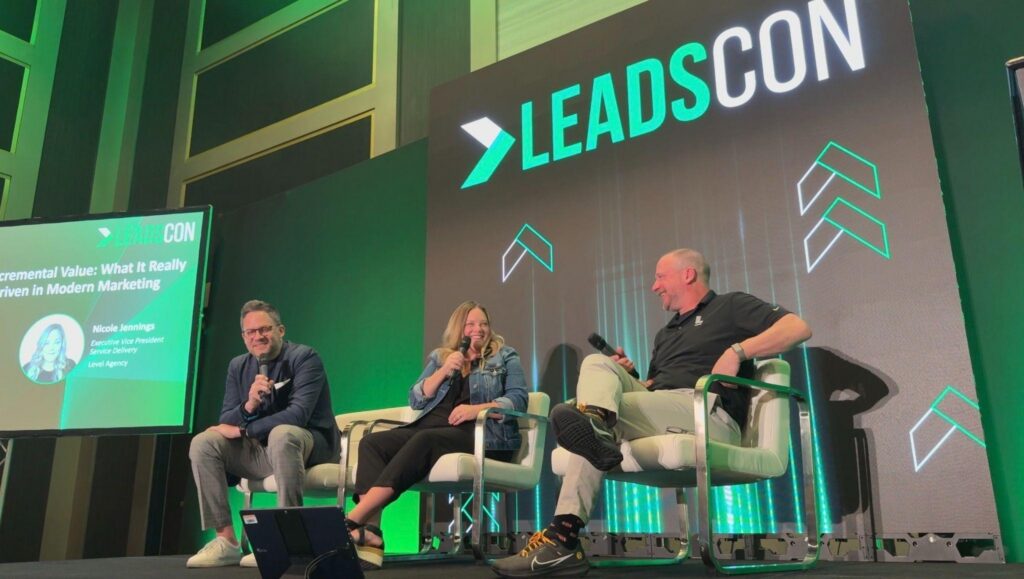
Across the LeadsCon 2026 agenda, the sessions broke into a few rough camps.
- Fraud and compliance. Lead fraud has gotten harder to spot because the tools used to generate fake leads have gotten better. AI can now produce behavioral patterns that look like real user activity. Several sessions dug into detection methods, validation layers, and what responsible lead buying looks like when the other side might be using the same tools you are to fool your filters. One conversation that stuck: a panelist pointed out that the FCC’s one-to-one consent rules changed the volume math for a lot of publishers, and the downstream effect is that lead quality is being renegotiated industry-wide.
- Top-of-funnel personalization. How do you use behavioral signals to serve the right message before someone has identified themselves? What does intent actually look like when someone is 60 days from a purchase decision versus six? There was a lot of talk about first-party data and what happens to targeting when you can’t rely on third-party signals the way you used to.
- Human judgment vs. AI decision-making. The harder-to-categorize conversations about what happens when AI is making more of the calls. A few people raised it obliquely. One person said something fairly blunt, roughly: “We’re optimizing faster than we understand what we’re optimizing for.”
The lead volume problem nobody wants to say out loud
Here’s the thing that kept coming up in different forms across a lot of sessions. The metrics most teams use to measure lead generation success were designed when generating leads was harder.
Volume made sense as a north star when you had to fight for every form fill. But AI has made it possible to generate leads at a scale and speed that breaks the old model. Sales capacity hasn’t scaled the same way. Qualification hasn’t scaled the same way. So you end up with more leads, slower follow-up, and roughly the same close rate, which means you’ve mostly spent more money to get to the same place.
The honest version of this problem is that a lot of marketing teams are reporting up on numbers that sales teams privately don’t trust. The volume looks good on a slide. The pipeline tells a different story.

What we kept coming back to, both in sessions and in conversations, is that the problem isn’t lead generation. It’s lead prioritization. The leads are there. The question is whether you can tell which ones matter before your competitors reach them first, or before your sales team burns out working a list that’s mostly noise.
Where Level.Signal fits into this
Level.Signal is a propensity model, built in partnership with Google, that predicts which leads are actually ready for the next step. Not just who filled out a form. Who’s likely to convert.
It reads three layers of data:
- Behavioral signals: page views, return visits, scroll depth, time on site, how someone moved through your media before they ever submitted anything.
- Lead data: form submissions and CRM fields.
- Media interaction patterns: cross-channel engagement before and after the initial touchpoint.
From all of that, it assigns a predicted value score and pushes that score into the platforms and systems that need it: Google, Meta, your CRM, your nurture sequences.
The practical effect is that your media stops optimizing toward lead volume and starts optimizing toward lead value. Bidding systems on Google and Meta are getting smarter, but they optimize toward whatever signal you give them. If you give them cost-per-lead, they find cheaper leads. If you give them predicted enrollment value or predicted close probability, they start finding better ones.
One education client saw these results after implementing Signal:
- Lead volume dropped 12%
- Applications increased 48%
- Cost per application dropped 30%
That’s the trade most marketing teams would make every day if they could see it clearly enough to make it.
The conversations at LeadsCon 2026 reinforced something we already believed: most of the waste in digital marketing right now isn’t in the cost per lead. It’s in what happens after the lead is generated, and whether the system you built is pointing your media budget at the right people to begin with.
One thing worth sitting with
Coming out of this year’s sessions, one thread keeps showing up in the coverage and the follow-on conversations online. It has to do with AI-assisted outreach, specifically the idea of personalizing the first contact based on everything you already know about someone’s journey before they’ve identified themselves.
The technology to do that is already available. What isn’t settled is how buyers actually experience it. Whether a message that lands at exactly the right moment, referencing exactly the right thing, reads as useful or reads as surveillance. Whether “we knew just what to say” builds trust or quietly erodes it.
Nobody has run that study. The people asking the question at LeadsCon 2026 didn’t have data, just a hunch that optimizing for conversion rate and optimizing for buyer experience might start diverging in ways that don’t show up in the numbers until later.